
Spiritual Meanings of Headaches on Different Sides
A headache is not just a headache. The location sometimes tells you more than the pain itself. Spiritual traditions have long linked headache locations to different energetic patterns. A headache on the left side may point to one set of issues, while the right side points to another. The forehead, temples, and back of the head each carry their own associations. The Spiritual Meanings of Headaches on Different Sides break down the meanings by side and location, along with practical notes on when to seek medical help. Tension that settles in the ears is also addressed in Spiritual Meaning of Ear Pain and Superstition: Right & Left
Symbolism and Representation of Headaches
Headaches have been understood in many cultures and often been linked to emotional strain, spiritual resistance, or even messages from a higher realm. Throughout human history, pain in the head has been seen as a signal of energetic disruption.
For example, some believe that headaches symbolize tension between the mind and soul. Beyond this, headaches might symbolize overthinking or blocked energy channels. A busy mind, weighed down by too many worries, could cause discomfort that reflects our need to declutter mentally and spiritually.
10 Spiritual Meanings of Headaches
1. Blocked Energy Flow
Some spiritual teachings say that headaches might happen because of blocked energy channels in the body. When one or more of these energy centers are blocked, tension can build up and lead to headaches.
Practices like yoga, reiki, or meditation are often suggested to help restore balance to these energy centers. These activities focus on calming the mind and relaxing the body, which is believed to improve energy flow. When energy flows more freely, it might help reduce the tension that leads to headaches.
2. Resistance to Change
Some believe that headaches can be a sign of avoiding change, especially when that change feels scary. Life is always changing, but resisting these changes can create emotional stress, which might show up as physical pain, like a headache.
When people don’t want to face certain changes, it can lead to an inner struggle. This stress builds up in their minds and bodies, creating tension that sometimes affects the head. Taking time to think about these feelings and accepting why change is important can help ease this tension. Finding ways to process these emotions, like talking to someone or writing them down, might help relieve this type of headache.
3. Stress in Emotional Layers
Headaches can be linked to emotional stress that hasn’t been dealt with. When emotions like sadness and frustration are bottled up, they can build tension in the body. This stress often shows up in the head, creating a heavy or throbbing sensation. Releasing these emotions in healthy ways can help reduce this tension. Activities like journaling, talking to a trusted friend, or even crying can help release those feelings. When emotional stress is addressed, the body, including the head, may begin to feel lighter and more at ease.
4. Overthinking Patterns
When people talk about headaches being linked to overthinking, they often mean that when you have too many thoughts running through your head, it can create tension. This tension in your mind can sometimes feel like it’s spilling over into your body, causing discomfort in the form of headaches. It’s like your brain is working overtime and needs a break.
Practicing things like mindfulness or meditation can help calm the racing thoughts. These techniques focus on helping you stay in the moment instead of stressing about what’s ahead or what already happened. By learning to focus on one thing at a time, you can give your mind the rest it needs.
5. Intuitive Disconnect
Some people believe that ignoring gut feelings can create a sense of inner tension. One way to handle this is by spending time thinking about your choices and whether they feel right to you. Reflecting on your decisions helps you reconnect with what your instincts are trying to tell you. When you trust your feelings, it’s easier to avoid the kind of tension that can lead to headaches. Listening to your intuition takes practice, but it’s worth it. By tuning into your inner thoughts and emotions, you create a sense of harmony within yourself. This balance can help reduce the physical discomfort linked to ignoring your inner guide.
6. Unprocessed Trauma
Trauma can leave behind emotional or energetic tension, and when it’s not addressed, it might show up in physical ways, like recurring headaches. It’s a way your body might be trying to signal that something needs your attention.
Working through trauma can involve things like therapy and spiritual practice that help you feel supported. By doing this, you can help release the tension stored in your body. When this tension is released, people often say they feel lighter and experience fewer headaches. This calmness can make a big difference in reducing pain over time.
7. Aligning with Purpose
Sometimes, headaches might happen because a person is spending too much time on things that don’t matter to them. This can create stress, which may show up as head pain. By reflecting on what makes life meaningful, they can start to reconnect with their true purpose. Taking small steps toward activities that feel important can help reduce this stress. For example, focusing on hobbies that spark joy might make a big difference.
8. Energetic Overload
Some people believe headaches might happen when they take on too much energy from others. Being around too much negative energy can feel heavy and exhausting. Protecting personal energy allows people to feel calmer and less overwhelmed. When they take care of their emotional health, they may notice fewer headaches caused by this type of overload.
9. Spiritual Resistance
What does a headache mean spiritually? Headaches can sometimes be seen as a sign that a person is avoiding deeper truths or ignoring spiritual growth. For instance, they might skip meditation, prayer, or quiet moments that help them connect with their inner self. This avoidance can create tension that builds up over time. When people reconnect with their spiritual side, it can bring them a sense of calm and clarity. They may find that the tension causing their headaches begins to fade as they grow and reflect.
10. Awareness Signals
Headaches can also be a reminder to slow down and check in with yourself. Life can get busy, and sometimes people forget to care for their physical, emotional, or spiritual needs. This lack of balance can lead to stress, which might result in headaches. These types of headaches act as gentle nudges to improve self-awareness. By making simple adjustments, like finding time for self-care, people may feel more balanced and experience fewer headaches.
Headache Positions and Meaning
Different parts of a headache have different meanings. Here, some are discussed in detail.
Right-Side Temple Headache Meaning
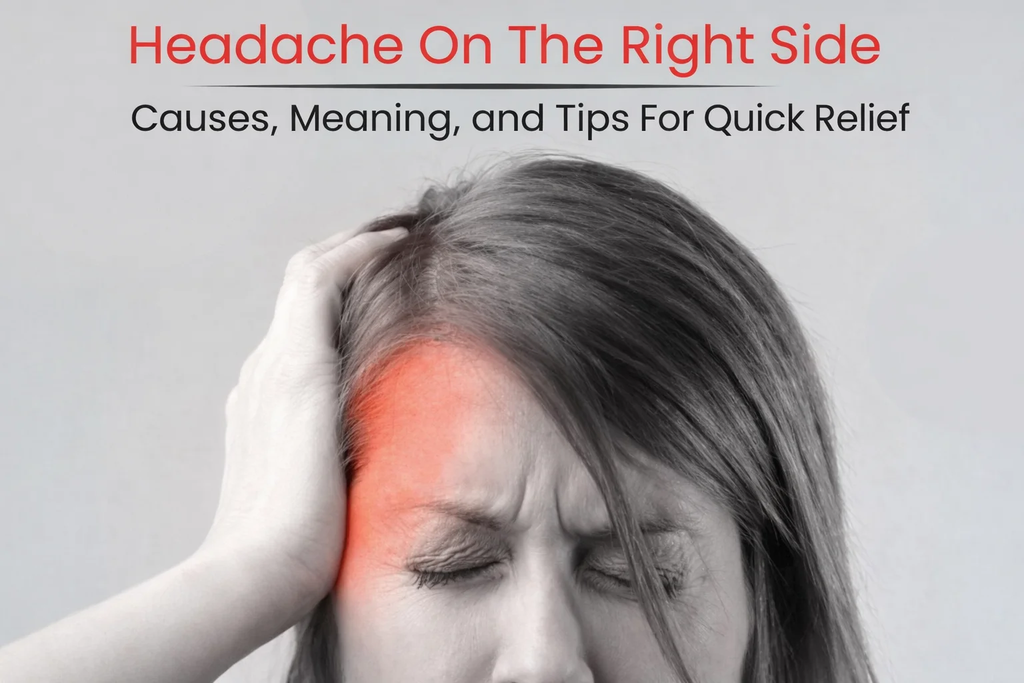
A right-side temple headache can often signal much more than a typical tension headache. It may indicate the mental strain resulting from overusing logical thinking, especially for those in leadership roles. The right side of the body is often considered the “masculine” side, associated with outward energy, logic, and responsibilities.
This discomfort could also be a warning about unaddressed issues in your work environment, particularly those linked to decision-making. Embracing a more holistic approach, one that balances logic with emotional awareness, may provide not just relief from headaches but a more fulfilling path in both leadership and life.
Left-Side Temple Headache Meaning
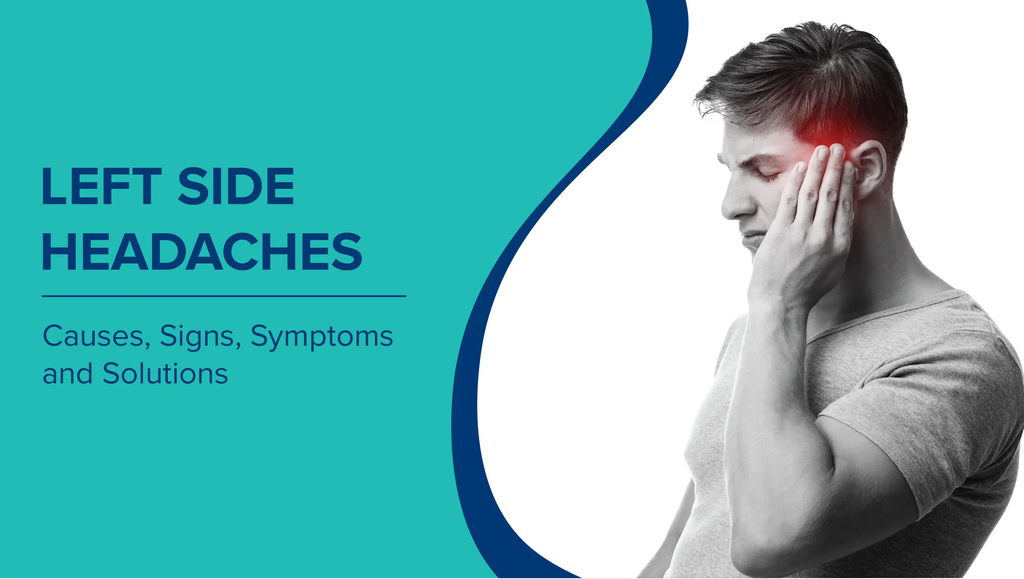
The left side of the body is often seen as the “feminine” side, tied to intuition, emotions, and receiving energy. A headache on this side may suggest emotional overload or a need to reconnect with your inner feelings.
Many individuals report that this specific type of headache emerges during periods of heightened stress or sadness, acting as a physical manifestation of an overactive mind. When thoughts spiral into overthinking, the left temple may tighten as if holding onto unresolved feelings or decisions, emphasizing the need for introspection.
For spiritual seekers, a left-sided headache might symbolize the need to trust intuition over overthinking. If you’re resisting emotional truths, this type of headache could serve as a gentle nudge toward deeper inner work.
Frontal Headache’s Spiritual Significance
Frontal headaches, often perceived purely as physical discomfort. Many believe that this form of pain is a signal from the body, urging us to pay attention to unresolved thoughts or emotions. When headaches occur here, they are thought to point to confusion or a blockage in intuitive perception. In spiritual contexts, these headaches may indicate a misalignment between our mental clarity and our inner guidance, hindering our ability to access deeper truths.
For those pursuing spirituality, a frontal headache may mean it’s time to trust your instincts and declutter your mental space. Meditative practices could help clear this energy, allowing your intuition to function freely.
Additionally, for some, frontal headaches represent being too “in your head”—focusing excessively on logical reasoning without enough attention to emotional or spiritual self-care.
Pain at the Top of the Head
The crown of the head is associated with connection to the divine or higher realms. Pain here might signify a blockage in your spiritual connection. Many suggest that headaches here happen during periods of rapid spiritual growth. It’s believed that the energy flow between physical and spiritual planes is adjusting, leading to discomfort temporarily. To ease this, grounding practices and prayer might help stabilize this flow and reduce feelings of disconnection.
Back of the Head Pain Meaning
The back of the head, or base of the skull, is connected to mental foundations. Pain here could reflect unresolved fears that stem from your past.
Spiritually, a headache in this area may ask you to revisit old patterns and experiences that no longer serve you. Exploring your past gently through journaling may help relieve such discomfort. For some, back-of-the-head pain also relates to physical and spiritual exhaustion, signaling the need to rest and reset energetically.
Spiritual Awakening and Headaches
For some people exploring spirituality, headaches are thought to be connected to their spiritual awakening. Headaches during spiritual awakening may serve as signals urging us to slow down and reconnect with ourselves. This means they might happen when someone is going through big emotional or energetic changes. These changes could include seeing life differently or feeling like they are growing as a person. Adjusting to new ways of thinking, feeling, or living might cause stress in the body, which could show up as headaches. While not everyone believes this, many find comfort in thinking there’s a deeper meaning behind their aches.
Headaches in Biblical Context
The Biblical context offers intriguing insights into the experience of headaches, often recognized as manifestations of deeper mental or emotional struggles. They say headaches can represent heavy thoughts or a feeling of being torn between different ideas or emotions. This ties into the belief that seeking peace and clarity can help calm the mind.
In Scripture, physical ailments frequently symbolize spiritual discord. Some people use these teachings to see headaches as a message to focus on building their spiritual connection and finding peace through faith.
The concept of the “renewal of the mind” in Romans 12:2 highlights the transformative power of aligning our thoughts with divine truth. By fostering a deeper spiritual connection through prayer and meditation, individuals may find relief from head pain as they confront the underlying issues causing emotional distress.
Myths and Superstitions About Headaches
Throughout history, some cultures believed headaches were caused by curses or bad energy. These beliefs were often based on the idea that unseen forces had a powerful influence on people’s health.
In other myths, headaches were seen as signs of **omens**—messages or warnings about the future. While these ideas were not based on science, they show how people have always tried to make sense of things they didn’t understand.
Even though modern medicine now explains headaches differently, these old stories remind us of how much humans have always been curious about their causes. They also show how deeply people used to link pain with their beliefs and culture.
Emotional Connections to Headaches
Some experts say that headaches could be connected to strong emotions that haven’t been fully expressed. Feelings like guilt, anger, or sadness can build up inside and might eventually show up as a headache. This doesn’t mean emotions directly cause headaches, but holding in feelings for too long can affect the body. By paying attention to emotional triggers, people might find ways to manage headaches more effectively. This could include identifying what’s bothering them emotionally and finding healthy ways to release those feelings, like talking to someone or taking time to relax.
Conclusion
Whether headaches stem from physical tension, emotional stress, or perceived spiritual imbalances they reflect the complexity of human experience.Next time one strikes, consider exploring the emotional or spiritual aspects that may contribute to it. With awareness and care, these moments of discomfort may offer a path to greater balance.
FAQs
What is the relationship between headaches and spirituality?
From a spiritual perspective, headaches and migraines are often viewed as signals of mind-body imbalance, energy shifts, or a spiritual awakening rather than random physical malfunctions
What emotion is linked to headaches?
Headaches are most commonly linked to stress, anxiety, and depression, though suppressed emotions like anger, grief, and fear also strongly correlate with chronic headache and migraine disorders