
Black Color Spiritual Meaning, Symbolism & Psychology
Black is often seen as a dark or mysterious color but it also carries deep spiritual meaning. While many people associate black with negativity, as with the spiritual meaning of green, it can also symbolize strength, protection, wisdom, and transformation. Although black is considered the absence of color it can stir powerful emotions and beliefs.
Black Color spiritual meaning, in art, fashion, and psychology, reflects hidden depths, inner feelings, and cultural values. This article explores the meaning of black and how it influences our emotions, thoughts and spiritual growth.
What Does the Color Black Symbolize?
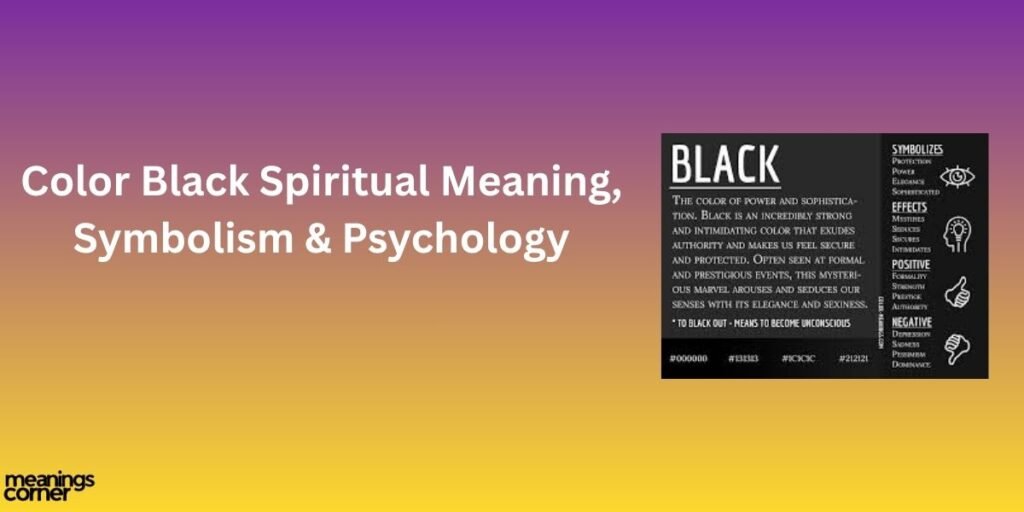
Black is a color filled with deep meaning and symbolism. It is often linked to power, elegance, mystery and strength. From fashion and art to design and spirituality, black is widely used to create a sense of sophistication and timeless beauty. Its simple appearance makes it versatile and meaningful in many areas of life.
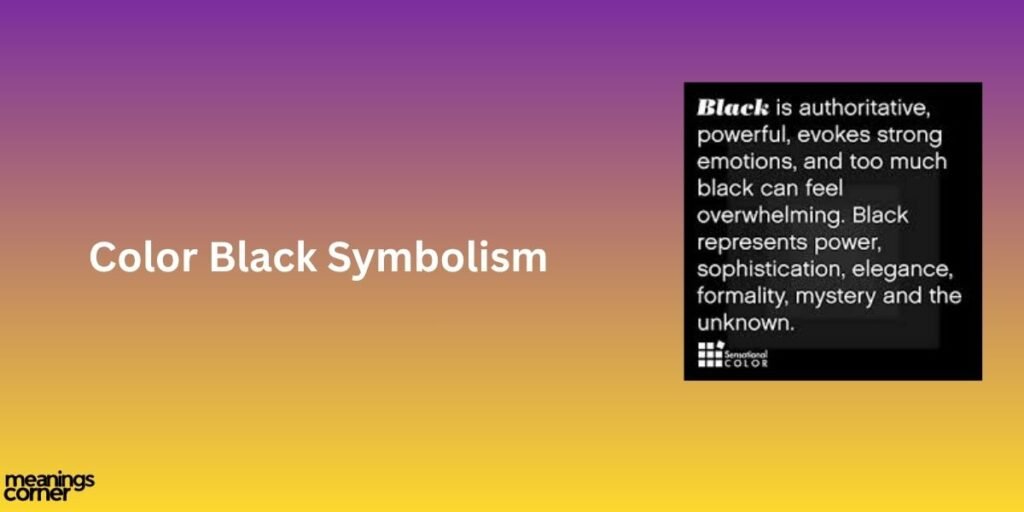
At the same time, black carries both positive and negative meanings. In some cultures, it represents grief and loss, while in others, it symbolizes protection, transformation, and new beginnings. This balance of light and dark meanings gives black a unique emotional depth.
Psychology of Color Black, and Personality

Black is often associated with confidence, power and sophistication. People who are drawn to black may value independence, self-control, and personal strength. The color can create an air of mystery, making a person seem deep, thoughtful, or intriguing. Many people wear black because it feels timeless, elegant and expressive.
Black also has strong emotional and psychological meanings. While it can symbolize sadness, grief, or loss in some cultures, it is equally linked to resilience, protection and inner strength. Wearing black can help people feel more confident and secure, especially during challenging times. Understanding the psychology of black reveals how this powerful color influences both our emotions and the way others perceive us.
In astrology and spiritual symbolism, black is often associated with depth, introspection, and inner awareness. Because it absorbs light rather than reflecting it, black represents the journey inward—encouraging self-reflection, personal growth, and a deeper understanding of the self.
Spiritually, black teaches the value of facing the unknown and embracing all aspects of who we are. It symbolizes transformation, reminding us that growth often begins when we explore our inner world and learn from life’s hidden lessons.
12 Spiritual Meanings of Black Color
Mystery and Transformation
Spiritually, black is a symbol of mystery, transformation, and the unknown. It represents the hidden parts of life that cannot always be seen or understood. Rather than being just the absence of color, black symbolizes potential, inner wisdom, and the space where new beginnings can take shape. It often appears during times of deep reflection and spiritual growth.
Black is also closely connected to transformation. Just as a seed grows in the darkness of the soil before reaching the light, people often experience personal growth during difficult or uncertain periods. Spiritually, black represents letting go of the old, embracing change, and preparing for renewal. It reminds us that endings are often the first step toward new beginnings.
Black spiritual meaning symbolizes the mystery of the divine and the unseen aspects of life. It teaches us to trust the journey, even when the path is unclear. Rather than representing fear, black is often a symbol of faith, inner strength, and spiritual growth through life’s challenges.
Absence and the Unconscious
Black color meaning spiritual, represents the unknown, the subconscious mind, and deep inner reflection. It encourages us to look within, face hidden fears, and discover parts of ourselves that need healing and growth.
Color black spiritual meaning is also linked to silence, potential, and transformation. Just as new life begins in darkness, spiritual growth often starts during times of uncertainty. It reminds us that wisdom, intuition, and new beginnings can come from the deepest depths of the soul.
Protection and Grounding
spiritual meaning of the color black is often seen as a color of protection, grounding, and inner strength. It is believed to absorb negative energy and create a sense of safety during difficult times. Like the calm of night, black provides space for healing, reflection, and renewal.
Many people use black to stay balanced and grounded, especially during emotional or spiritual challenges. It symbolizes resilience, stability, and self-control, reminding us to stay rooted in our truth and face life’s challenges with confidence and strength.
Authority and Elegance
Black symbolizes authority, wisdom, and quiet confidence. Spiritually, it represents self-mastery, discipline, and inner strength. Rather than seeking attention, black reflects a calm and grounded power that comes from knowing oneself.
Its timeless elegance is linked to maturity, integrity, and personal responsibility. Spiritually, black reminds us that true power begins within and that confidence comes from being aligned with our values and inner truth.
Spiritual Power and Occult Use
Black is often associated with protection, transformation, and spiritual strength. In many spiritual traditions, it is believed to absorb negative energy and help create a sense of grounding and balance. Because of this, black is commonly used in meditation, rituals, and spiritual practices focused on healing and personal growth.
Rather than symbolizing evil, black represents mystery, wisdom, and the ability to transform challenges into strength. Spiritually, it teaches that true growth comes from facing both light and darkness within ourselves. By embracing the lessons hidden in difficult experiences, we gain deeper understanding, resilience, and inner power.
Wealth and Restraint
The color black is closely linked with wealth, refinement, and disciplined restraint. Spiritually, this association extends beyond material prosperity. It signifies spiritual wealth, the richness of inner peace, and the wisdom gained from self-control.
In ancient times, black garments and materials were often rare and costly, worn by those of high rank or spiritual authority. Over time, this evolved into black’s connection with elegance, sophistication, and exclusivity. However, beneath the material symbolism lies a deeper spiritual truth: black represents the richness of stillness and silence, the wealth that comes from mastering one’s impulses and desires.
Restraint is another spiritual aspect of black. Unlike bright, expressive colors that radiate outward, black contains energy within. This containment reflects discipline and moderation, qualities essential for both spiritual growth and material success. It teaches us to value what is unseen, patience, reflection, and emotional intelligence, over outward display.
Spiritually, using black in clothing or meditation can help create a sense of calm, balance, and inner richness. It encourages self-alignment, integrity, and quiet strength that doesn’t depend on outside approval.
In this way, black represents both material and spiritual abundance, a kind of wealth that comes from within and remains steady regardless of external circumstances.
Deep Esoteric Wisdom
Spiritually, black symbolizes hidden wisdom, deep insight, and the mysteries of the universe. It encourages self-reflection, inner awareness, and trust in the unseen forces that guide personal growth and transformation.
Black also represents intuition and spiritual understanding. It reminds us that some of life’s greatest truths are discovered through experience, silence, and faith rather than logic alone. By looking within, we can connect with deeper wisdom and a stronger sense of purpose.
Symbol of Loss and Mourning
Black is often associated with grief, loss, and remembrance
as people usually wear black outfits on the death of their loved ones. It symbolizes a time of reflection, healing, and honoring what has come to an end. During periods of mourning, black creates a sense of quietness and respect, allowing space for emotional and spiritual recovery.
Spiritually, black also represents acceptance and transformation. It reminds us that endings are a natural part of life and can lead to new beginnings. In this way, black symbolizes both the pain of loss and the wisdom gained through healing and growth.
Black is often linked to sadness, it also symbolizes strength, resilience and compassion. Spiritually, it teaches that grief is a natural expression of love and an important part of the healing process.
Black reminds us that even in difficult times, growth and peace are possible. It encourages us to find strength within our struggles and trust that healing will come with time.
Cycle of Life and Death
Spiritually, black symbolizes the cycle of endings and new beginnings. It represents the space where transformation takes place, reminding us that growth often comes after periods of change or loss.
Across many traditions, black is linked to renewal, rebirth, and personal transformation. It teaches that every ending creates an opportunity for a new chapter, making it a powerful symbol of hope, renewal, and spiritual growth.
Spiritually, black teaches us to accept life’s natural cycles of endings, change, and renewal. It reminds us that letting go is an important part of growth and that every ending creates space for a new beginning.
Black encourages trust in the journey of life, even during difficult times. It symbolizes the balance between loss and renewal, helping us see change not as an ending, but as part of a greater purpose and transformation.
Darkness and the Void
Spiritually, black is often associated with the void, a space of infinite possibility and potential. Rather than representing emptiness, it symbolizes the source from which new ideas, growth, and creation emerge.
In many spiritual traditions, black reflects the formless nature of consciousness and the deeper reality beyond the physical world. It encourages stillness, reflection, and a connection to the limitless potential that exists within and around us.
Black symbolizes the mystery of the universe and the infinite potential that exists beyond what we can see. Spiritually, it reminds us that beneath the changing world lies a deeper, eternal reality connected to all things.
Meditating on black can encourage stillness, self-reflection, and inner peace. Rather than representing emptiness, it symbolizes possibility, unity, and the divine mystery from which new beginnings emerge.
Evil and Sin
In Christian and other Abrahamic traditions, black is often associated with spiritual darkness, sin, and separation from God. It can symbolize times of struggle, sorrow, or moving away from faith. However, black also carries a message of repentance, humility, and the opportunity for spiritual renewal.
Rather than representing permanent darkness, black reminds believers of the need for self-reflection and God’s grace. It teaches that spiritual growth often begins by recognizing our weaknesses and seeking forgiveness, healing, and a closer relationship with the divine.
In Christian theology, black can be understood as having a transformative meaning. It reflects human struggle and imperfection, but also points toward the possibility of redemption and spiritual renewal.
It reminds us that even in moments of darkness, there is hope for forgiveness and growth. In this way, black highlights the contrast that allows divine light and grace to be more clearly understood and appreciated.
Personal Power and Sophistication
Black is often associated with personal power, inner wisdom, and refined sophistication. It reflects a quiet confidence and a strong sense of self-worth.
Spiritually, black symbolizes mastery, not over others, but over one’s own emotions, desires, and energy. It represents self-control, discipline, and the ability to stay grounded and balanced from within.
Wearing or surrounding oneself with black often reflects self-possession, clarity, and strong personal boundaries. It communicates quiet confidence and emotional maturity without needing attention or display.
Spiritually, black is linked to self-reliance and inner authority. It encourages validation from within rather than from external approval, symbolizing authenticity and self-mastery.
To embody black is to accept one’s full self and stand in truth. It represents inner strength, refined simplicity, and a grounded sense of timeless confidence.
Black Color Spiritual Meaning
Black is often linked to mystery and the unknown, but the spiritual meaning of black also symbolizes protection, strength, and grounding. It encourages self-reflection and helps individuals explore hidden parts of themselves, leading to greater understanding and personal growth.
Black is also a symbol of potential and transformation. Just as light emerges from darkness, it reminds us that challenges can lead to wisdom, resilience, and new beginnings. By embracing the spiritual meaning of black, we can find strength, balance, and deeper purpose in our life journey.

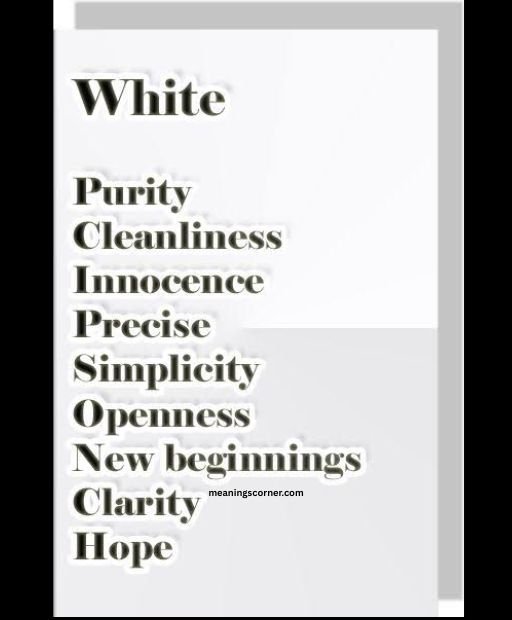
Color White Spiritual Meaning
White is a color often associated with purity, peace, and new beginnings. Spiritually, it symbolizes a fresh start, encouraging us to let go of the past and embrace growth and transformation. Its calm and gentle presence inspires clarity, balance, and inner harmony.
In many spiritual traditions, white is linked to divine energy, protection, and enlightenment. It is believed to help cleanse negative influences and promote positive intentions. As a symbol of hope and renewal, white reminds us of our ability to grow, heal, and move forward with wisdom and purpose.
Cultural and Religious Significance
Black is a color with deep cultural, religious, and spiritual significance. In many cultures, it symbolizes elegance, power, authority, and sophistication, while in others it is associated with mourning, loss, and remembrance.
Religiously, black often represents humility, repentance, spiritual reflection, and the mysteries of faith. In Christianity, it can symbolize sin and spiritual struggle, but also redemption and renewal. In other traditions, black is connected to protection, wisdom, and the hidden aspects of the divine.
Spiritually, black is linked to mystery, transformation, and self-discovery. It encourages people to look within, face hidden truths, and grow through life’s challenges. Rather than representing only darkness, black symbolizes inner strength, wisdom, and the journey toward deeper spiritual understanding.
Interpretations of Dreaming About the Color Black

Dreaming about the color black often invites a tapestry of interpretations that delve deep into our subconscious. For some, black symbolizes mystery and the unknown, serving as a gateway to profound self-discovery. Wearing black in a dream represents the hidden aspects of oneself, urging the dreamer to confront repressed emotions or unresolved issues. This profound darkness can act as a canvas for creativity, suggesting that out of the shadows may spring forth inspiration, awaiting the courage to be unveiled.
Conversely, black can also evoke feelings of fear or anxiety when seeing a black cat crossing your path, linked to the idea of loss or the end of a chapter. In this context, such dreams might signal a transformation, encouraging individuals to embrace change rather than resist it.
Exploring these nuanced interpretations can provide clarity in waking life, as dreams in black can serve as silent guides, urging us to explore both our shadows and the light that coexists with them. Ultimately, understanding these dreams paves the way for personal growth, illuminating paths previously cloaked in darkness.
Biblical Meanings of the Color Black
In the Bible, black is often associated with mourning, sorrow, hardship, and the effects of sin. It appears in passages that reflect times of suffering, repentance, and spiritual struggle, reminding believers of the need for God’s mercy and guidance.
At the same time, black can symbolize the mystery and greatness of God, whose ways often go beyond human understanding. Rather than representing only darkness, it encourages faith during difficult seasons and trust in God’s purpose. Spiritually, black reminds believers that even in times of uncertainty, growth, redemption, and transformation are possible through God’s grace.
Conclusion
Black color spiritual meaning goes far beyond darkness. It symbolizes protection, transformation, inner strength, wisdom, and spiritual growth. Whether viewed through cultural, religious, or spiritual beliefs, black reminds us that powerful change often begins in the unknown. By embracing its deeper meaning, we can find strength, clarity, and renewal even during life’s most challenging moments.
FAQs
What does the color black mean in psychology?
In psychology, black symbolizes power, sophistication, mystery, and emotional strength. It can also represent protection, independence, grief, or the unknown, depending on the context.
Does black have a psychological effect?
Yes. Black can have a strong psychological effect. It often creates feelings of power, confidence, elegance, and authority, but it can also evoke mystery, sadness, fear, or emotional distance depending on the context.
What energy does black represent?
Black represents the energy of protection, strength, mystery, and transformation. It is often associated with grounding, absorbing negative energy, and encouraging inner reflection and resilience.
Why is black a powerful color?
Black is a powerful color because it symbolizes strength, authority, confidence, and sophistication. It also represents mystery, protection, and emotional depth, giving it a strong and commanding presence.