

Solomon 4:7 Meaning & Commentary — Finding Beauty Through God’s Words in 2026
Solomon 4:7 meaning: Challenges these ideas, providing a deeper view of true beauty through God’s words. This article will explain the verse’s meaning and insights, showing how they can promote spiritual growth and personal development.
What Is the Meaning of Song of Solomon 4:7 in the Song of Solomon?
In Song of Solomon 4:7 meaning, the phrase “You are altogether beautiful, my darling, there is no flaw in you” expresses deep love and appreciation. This verse highlights true intimacy, where physical beauty connects with spiritual and emotional ties. It shows that love goes beyond looks and recognizes the beloved’s true worth.
This verse also symbolizes self acceptance and inner beauty. In a world fixated on flaws and perfection, calling someone “flawless” challenges these ideas and promotes self love. The message applies to romantic love, friendships, and our relationship with ourselves, reminding us that real affection sees beyond imperfections to appreciate the beauty within. Solomon’s words encourage us to value authenticity in ourselves and others.
How Does Solomon 4:7 Describe Beauty and Flawlessness?

In Solomon 4:7 meaning, beauty is shown to be more than just skin deep. It represents nature’s perfection and the order of creation. The passage reveals that true beauty goes beyond looks, it embodies completeness and harmony. When it says, “Thou art all fair, my love; there is no spot in thee,” it suggests that real beauty is linked to being flawless, but it also asks if such perfection is possible in our complex lives.
It includes a spiritual and emotional side, encouraging a deeper connection. The lack of “spots” represents more than just imperfections, it reflects inner purity and being true to oneself. This invites readers to consider how their genuine beauty is reflected in their lives. Instead of chasing an impossible ideal, this view encourages people to accept their uniqueness and own qualities that reveal true beauty from within.
Who Is the “Darling” in Song of Solomon 4:7?

In Song of Solomon 4:7, calling the beloved “Darling” shows deep intimacy and love. This word means more than just affection; it suggests completeness and perfection. This relationship illustrates how love can deepen our understanding of ourselves and others.
Using the term “Darling” challenges typical ideas of beauty and attraction. Here, beauty comes from inner qualities that bring comfort and joy, not just external looks. This encourages readers to rethink their own relationships, both romantic and friendly, by valuing the traits that inspire love and admiration. In a world focused on superficial connections, this passage reminds us of the deeper bonds that enrich our lives.
For making more deeper bonds with your partner, you can also read 90+ Best Love Paragraphs for Her to Make Her Cry & Smile
What Is the Spiritual Significance of “No Flaw in You”?
The phrase “No Flaw in You” is a strong reminder of our worth. It encourages us to accept ourselves beyond what society expects. This idea shows that everyone is a unique part of the universe, deserving of love and acceptance. When we believe we are flawless at our core, we can let go of negative thoughts that make us insecure. This helps us connect more deeply with ourselves and others.
Seeing ourselves as flawless doesn’t mean we need to be perfect. It means we can find value in our imperfections. Each so-called flaw can teach us something or help us grow. This creates a supportive community based on unconditional acceptance. Realizing this can lead to a spiritual awakening, encouraging us to celebrate our journeys and the experiences that shape us as we take our place in the world.
What Is the Historical and Cultural Context of Song of Solomon 4:7?
Song of Solomon 4:7 is part of the rich culture of the ancient Near East, where love and beauty were often expressed in poems.

When the speaker says, “You are altogether beautiful, my love; there is no flaw in you,” it shows strong love and reflects the values of that time. The vivid images in the Song highlight the importance of praise in romantic relationships, suggesting that beauty represents deeper emotional and spiritual bonds, not just physical appearance.
The message of love and commitment in the Song of Solomon also connects with how weddings symbolize unity. Explore what it means if you see a wedding in your dreams. What Do Wedding Dreams Mean?
How Did Ancient Israelite Marriage Customs Influence This Verse?

Ancient Israelite marriage customs shaped many traditions and beliefs. These customs defined the roles of men and women, family structures, and how marriages were formed and celebrated.
In Israelite culture, marriage was often arranged. Families played a key role in deciding who would marry whom. This meant that love and personal choice might not be the main focus in these unions.
Dowries were significant in these marriages. The groom usually gave gifts or money to the bride’s family. This practice showed respect and helped strengthen family bonds.
Divorce was also different. In ancient Israel, a man could divorce his wife for various reasons, but a woman had fewer rights in this area. This highlighted the differences in gender roles and the power dynamics within marriages.
These customs influenced the way people viewed marriage and relationships in ancient Israel. Understanding these practices helps us see the cultural context of this verse better.
What Poetic Devices Are Used in Solomon 4:7?
Poetic Devices in Solomon 4:7
Imagery
The verse uses vivid images to create strong feelings. This helps readers visualize beauty and attraction.
Metaphor
The text compares one person to something else without using “like” or “as.” This deepens the meaning and connects feelings.
Repetition
Certain words and phrases repeat, emphasizing their importance and creating a rhythm in the language.
Alliteration
The use of similar sounds at the beginning of words adds musical quality to the verse, making it more engaging.
Symbolism
Objects or ideas in the verse stand for deeper meanings, adding layers to the interpretation.
These devices enhance the emotional impact and help convey the messages in Solomon 4:7.
How Does Solomon 4:7 Reflect God’s Perspective on Beauty and Redemption?
The Song of Solomon 4:7 meaning emphasizes that everyone is beautiful in their own way. This verse illustrates how God sees beauty beyond physical appearances. It reminds us that true beauty comes from within and is unique to each person.
If you want to make your relationship strong and romantic with your wife, then read our full guide about 400+ Cute & Romantic Names for Wife.
What Does “All Beautiful, My Darling” Reveal About God’s Love?

The phrase “All Beautiful, My Darling” highlights the deep affection God has for us. It expresses how God sees us as beautiful and valuable, no matter our flaws.
God’s love is unconditional and constant. It doesn’t depend on our actions or mistakes. This love encourages us to embrace our true selves.
This message reminds us that we are worthy of love. Knowing we are loved can fill us with confidence and hope.
“All Beautiful, My Darling” reveals that God’s love is strong and all-encompassing, inviting us to accept ourselves as we are.
How Is Flawlessness Connected to Christ’s Redemption?

Flawlessness is closely linked to Christ’s redemption. When we talk about redemption, we mean the process of being saved from sin and its consequences. Christ’s act of sacrifice allows people to be forgiven and made whole.
Being flawless means being free from sin and imperfections. Through redemption, believers can strive for a life that reflects Christ’s character. They can experience true forgiveness and inner transformation.
Christ’s love and sacrifice give people the chance to start anew. This journey toward flawlessness encourages personal growth and a deeper relationship with God. Christ’s redemption opens the door to a life of purpose and peace.
How Does This Verse Relate to the Church as the Bride of Christ?
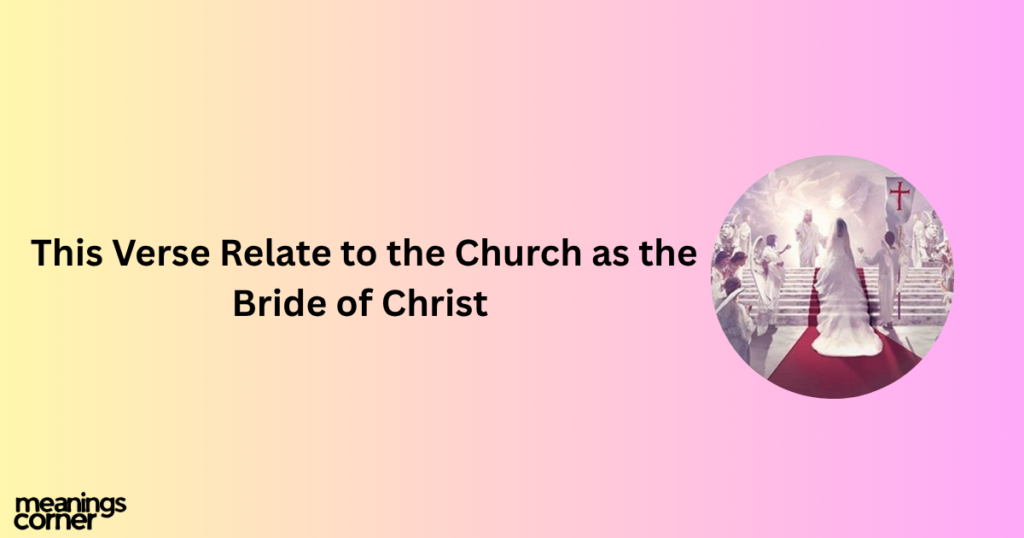
This verse shows the Church’s special relationship with Christ. Just like a bride is devoted to her groom, the Church is committed to following Christ. The Church is not just a building, it is made up of people who love and serve Him.
The Bible often compares the Church to a bride, highlighting its purity and dedication. This relationship emphasizes loyalty, love, and unity. The Church supports and nurtures its members, reflecting Christ’s love.
This verse reinforces the idea that the Church is cherished by Christ, just as a bride is valued by her husband.
How Can Believers Find Personal Beauty Through God’s Word in Solomon 4:7?
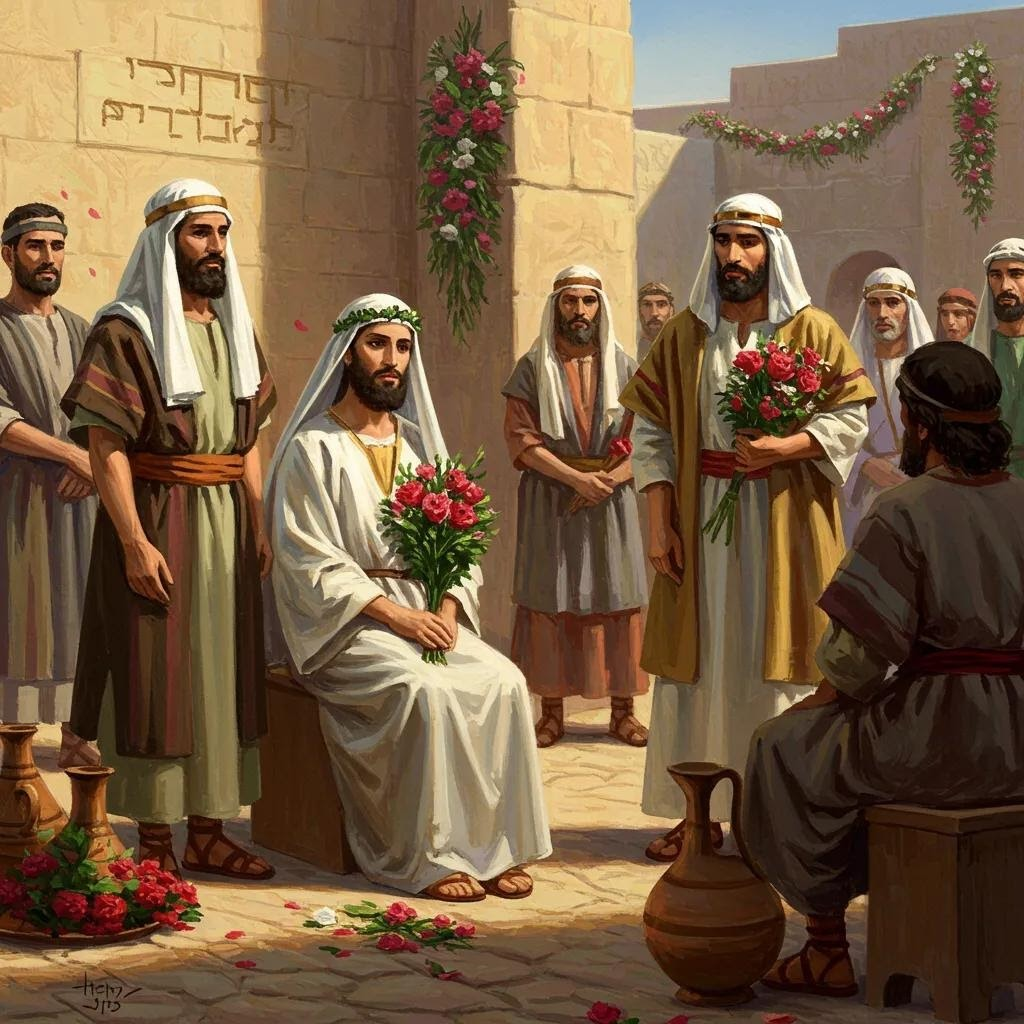
In Solomon 4:7, beauty goes beyond looks, encouraging believers to see themselves as God sees beauty. This verse tells us we are “altogether beautiful,” challenging society’s shallow views on beauty. When we base our identity on God’s love, we can develop a genuine beauty that comes from within, rooted in spiritual truths rather than changing opinions.
Reading God’s words helps us see our true worth and reminds us that our beauty reflects His creation. Every time we meditate on Scripture, we get a chance to change our self-image, choosing faith over fear and inner strength over comparing ourselves to others. By embracing this new view, believers can discover their own beauty and inspire others to appreciate their divine worth. This journey becomes a beautiful mix of faith, grace, and empowerment, founded in God’s constant love.
How Does Understanding This Verse Impact Self-Worth and Faith?

Understanding this verse can boost our self worth and strengthen our faith. When we grasp its meaning, we begin to see ourselves in a more positive light. We realize our value and importance in life.
This newfound understanding also helps deepen our faith. It encourages us to trust in something greater than ourselves. Knowing we are valued can make us more confident in our beliefs. Overall, this verse can lead to a healthier self image and stronger faith.
What Are Reflection Questions to Deepen Spiritual Growth?
Reflection questions help deepen spiritual growth by encouraging self-examination and a connection to your inner self. They prompt you to think about your beliefs, values, and life experiences. For example, asking, “What does love mean to me, and how do I show it daily?” can reveal insights about your relationships and increase your compassion.
Questions like “What have I learned from pain or loss?” can turn tough times into valuable lessons, helping you find meaning in difficulties. By regularly reflecting on these questions, you create a space for self-awareness and spiritual insight. Your answers may change over time, reflecting your journey and revealing new paths for growth. Each reflection becomes a step toward a more connected and enriched life.
How Can Daily Devotionals Incorporate Solomon 4:7?
Daily devotionals can include Solomon 4:7 by focusing on the beauty and worth of individuals. This verse highlights that everyone has unique qualities that should be celebrated.

To apply this verse, writers can start with a short explanation of its meaning. Then, they can encourage readers to reflect on their own strengths and the strengths of others, promoting appreciation and love.
Including personal stories or examples can make the message more relatable. Devotionals can also propose simple exercises for readers to practice recognizing beauty in themselves and others each day.
By making Solomon 4:7 a central theme, daily devotionals can inspire readers to see and value the special qualities in everyone.
What Related Bible Verses Reinforce the Theme of Inner Beauty and God’s Love?
Galatians 5:22-23 lists the fruit of the Spirit: love, joy, peace, and gentleness, showing that true beauty comes from these traits. As we grow these qualities, we reflect God’s love, positively impacting our lives and others. Inner beauty becomes a powerful force that invites people to feel God’s grace through how we treat them. By valuing our inner selves, we can truly shine and reflect the love God gives us daily.
Which Scriptures Highlight Spiritual Beauty and Flawlessness?
The Scriptures often highlight the deep link between spiritual beauty and being flawless. They encourage us to focus on what’s inside rather than outside. For example, 1 Samuel 16:7 reminds us that “the Lord looks at the heart.” This shifts our attention from surface judgments to the true beauty of our character and intentions. It inspires us to develop qualities like kindness and integrity, showing that true beauty comes from our spirit.
In 2 Corinthians 4:16-18, Paul emphasizes the power of perseverance during tough times. He shows that facing challenges can lead to inner renewal, which reflects divine beauty. The contrast between our physical decline and spiritual growth reminds us that flawlessness isn’t about perfect bodies but about the resilience and grace that our spirits build over time. By embracing this view, we can see our flaws as part of a journey toward wholeness, revealing the beauty that comes from being vulnerable and authentic.
What are the common questions about Solomon 4:7 asked by readers?
Common Questions About Solomon 4:7
Readers often ask several questions about Solomon 4:7. Here are some of the most common ones:
- What does the verse mean?
Many want to understand the main message of this verse. - Who is speaking?
People often wonder who is addressing whom in this passage. - Why is this verse important?
Readers seek to know the significance of this verse in the context of the whole book. - How can I apply this verse to my life?
Many look for ways to connect the teachings in this verse to their daily lives. - What do scholars say about this verse?
Some readers want to know what experts in the Bible say about the meaning and interpretation.
These questions show people’s interest in understanding and applying the teachings found in Solomon 4:7 meaning.
How Does Faithtime.ai Support Deeper Engagement with Solomon 4:7 and Biblical Beauty?
Faithtime.ai helps users connect more deeply with Solomon 4:7 and the idea of biblical beauty. It uses interactive features to make the text more relatable. By providing explanations and context, it encourages users to reflect on the meanings in a meaningful way.
The platform also fosters a community where users can share insights and experiences. This collaborative space allows for open discussions about faith and beauty, enriching the understanding of these concepts.
Through multimedia content and discussions, Faithtime.ai presents biblical beauty as relevant today. Users can explore how these timeless ideas apply to their lives, leading to a stronger connection with their faith.
Conclusion
In conclusion, Solomon 4:7 encourages us to appreciate our beauty as individuals and as a community. This verse reassures us of our worth and reminds us of the divine presence in our lives. Embracing our unique traits helps us build a loving space that fosters growth and acceptance. In 2026, let’s commit to viewing ourselves and others with grace and appreciation. Take time to reflect on these words and let them inspire you to celebrate the beauty within you and those around you.
FAQs
What is Song of Solomon 4:7 talking about?
When you proclaim Song of Solomon 4:7 over your wife, you are “cleansing her by the washing of water with the word.” It is an act of sacrificial love because your duty as a husband is not to hold her sins against her, but to affirm her identity of perfection in Christ.
What does Solomon say about beauty?
Song of Solomon 4:1,3-4 (CEB) “Look at you—so beautiful, my dearest! Look at you—so beautiful! Your eyes are doves behind the veil of your hair! Like a crimson ribbon, your lips are; when you smile, it is lovely.
Is Solomon’s 4/7 about physical beauty?
This verse is not just about physical attractiveness; it’s also about the emotional and spiritual connection between the lovers. The beloved is seen as beautiful in every way, a reminder to value people beyond their external appearance.
What does it mean to see the beauty of the Lord?
To gaze on the beauty of the Lord is to look, with full attention, into the face of Jesus in all of His glory. Several examples come to my mind when I think of gazing on the beauty of the LORD, but none are more prevalent than that of Mary of Bethany at Jesus’ feet. We see her at His feet twice in Scripture.